
What is the difference between the senate and the house of representatives? – Understanding the U.S. Congress often feels like deciphering a complex code. But the differences between the Senate and the House of Representatives aren’t as impenetrable as they might seem. Think of them as two sides of the same coin, each with unique strengths and responsibilities, working together to shape the laws of our nation.
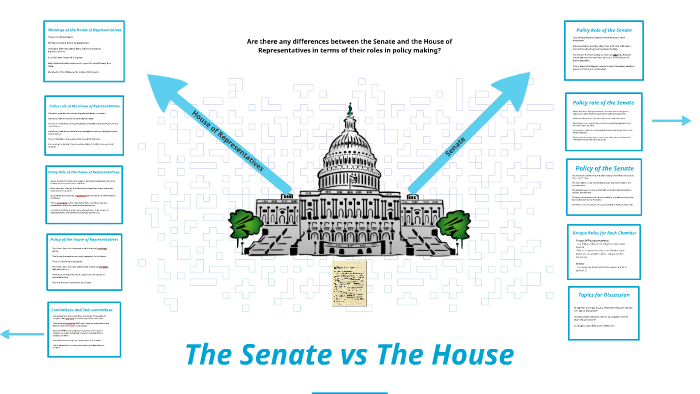
One of the most fundamental distinctions lies in representation. The House of Representatives is designed to reflect the population of each state, meaning more populous states have more representatives. The Senate, on the other hand, gives each state an equal voice, regardless of population size. This equal representation is crucial for smaller states, ensuring they have a say in national decisions.
Powers and Procedures also differ significantly. The House is often the starting point for legislation, particularly those dealing with taxes and spending. The House Ways and Means Committee, for example, plays a pivotal role in shaping fiscal policy. The Senate, while also involved in lawmaking, has a more nuanced role in reviewing and amending legislation passed by the House. This often involves extensive debate and consideration, leading to potentially more thorough legislation.
Think of it like this: The House is the engine room, driving initial proposals. The Senate is the refinement workshop, ensuring the final product is well-considered and balanced. Here’s a quick comparison to help solidify these differences:
- House of Representatives: More representatives, based on population; initiates most spending bills; typically faster-paced procedures.
- Senate: Two senators per state, regardless of population; approves treaties and presidential appointments; more deliberative and considered process.
Famous Entities Related to Congress: Figures like Abraham Lincoln, George Washington, and more recent leaders have played critical roles in shaping the workings of Congress and its impact on the nation. Exploring their legacies can offer valuable insights into the evolution of these vital institutions. You can find more about these and other important figures through research on your own.
In conclusion, the Senate and the House of Representatives, while both crucial components of the U.S. legislative system, have distinct roles and responsibilities. Their unique structures and processes are essential for ensuring a balanced and representative democracy. Understanding these differences is vital for appreciating how our government functions and how laws are made.
 Isabella
  Lily
Lily  Grayson